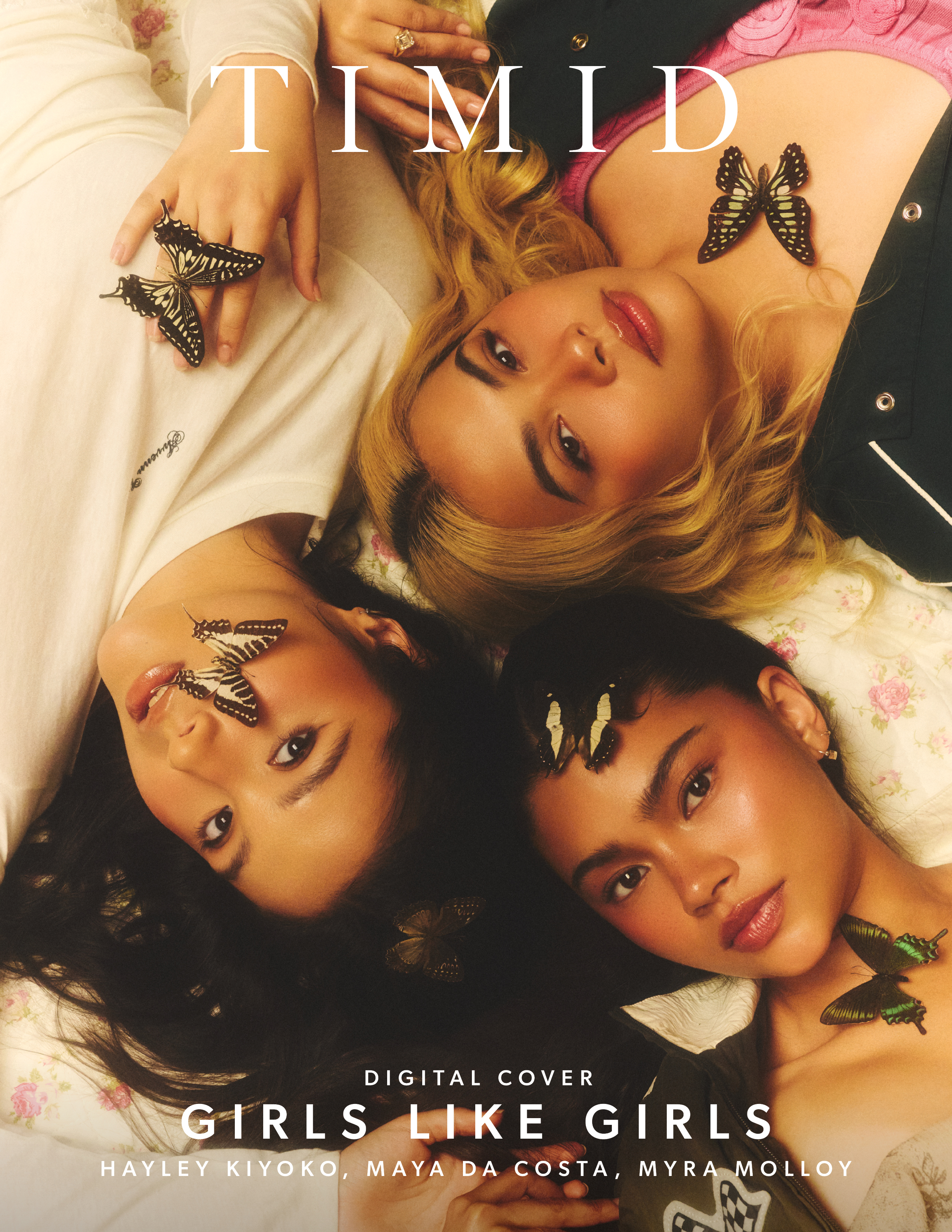
-
Words: Laura Sirikul @lsirikul
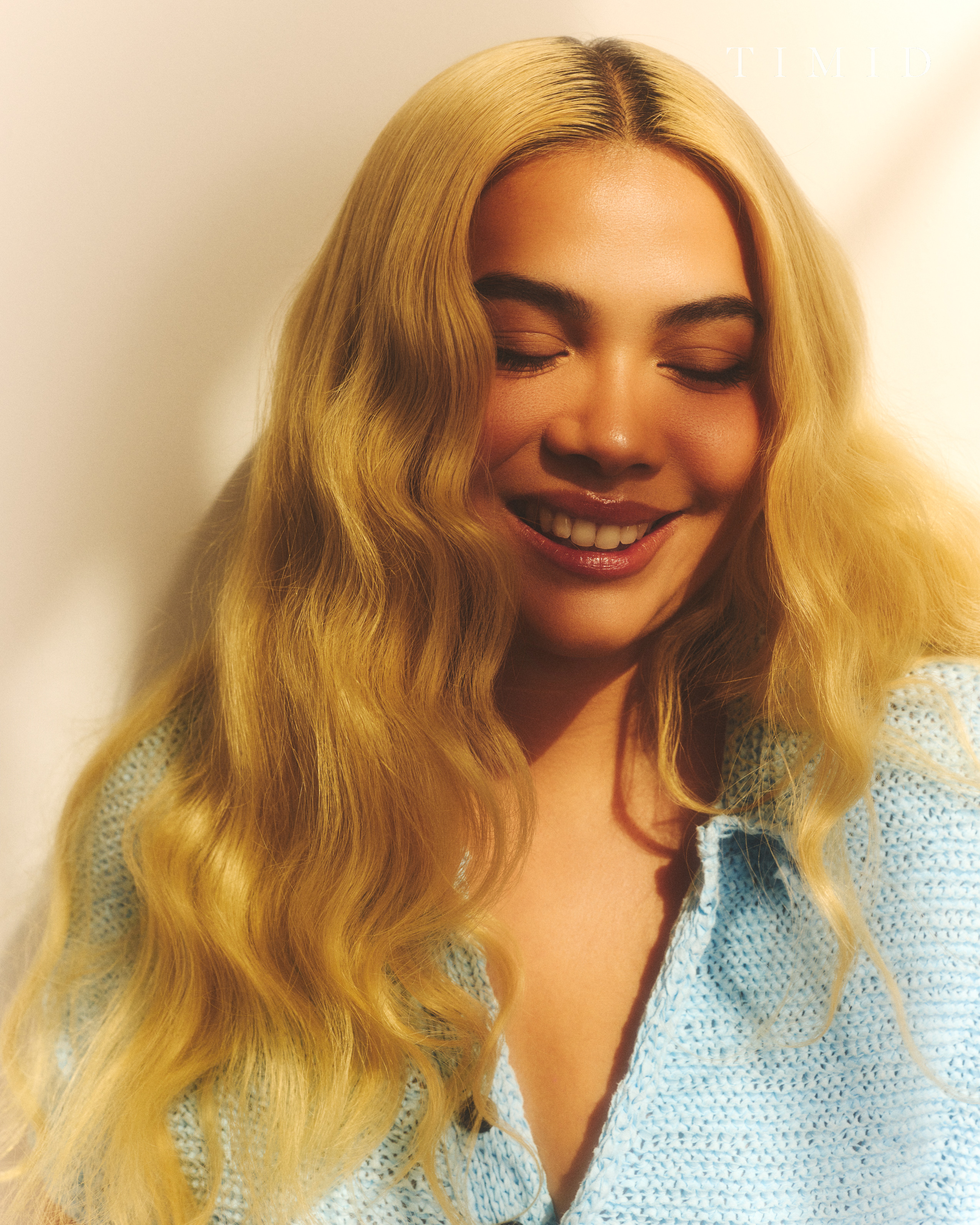
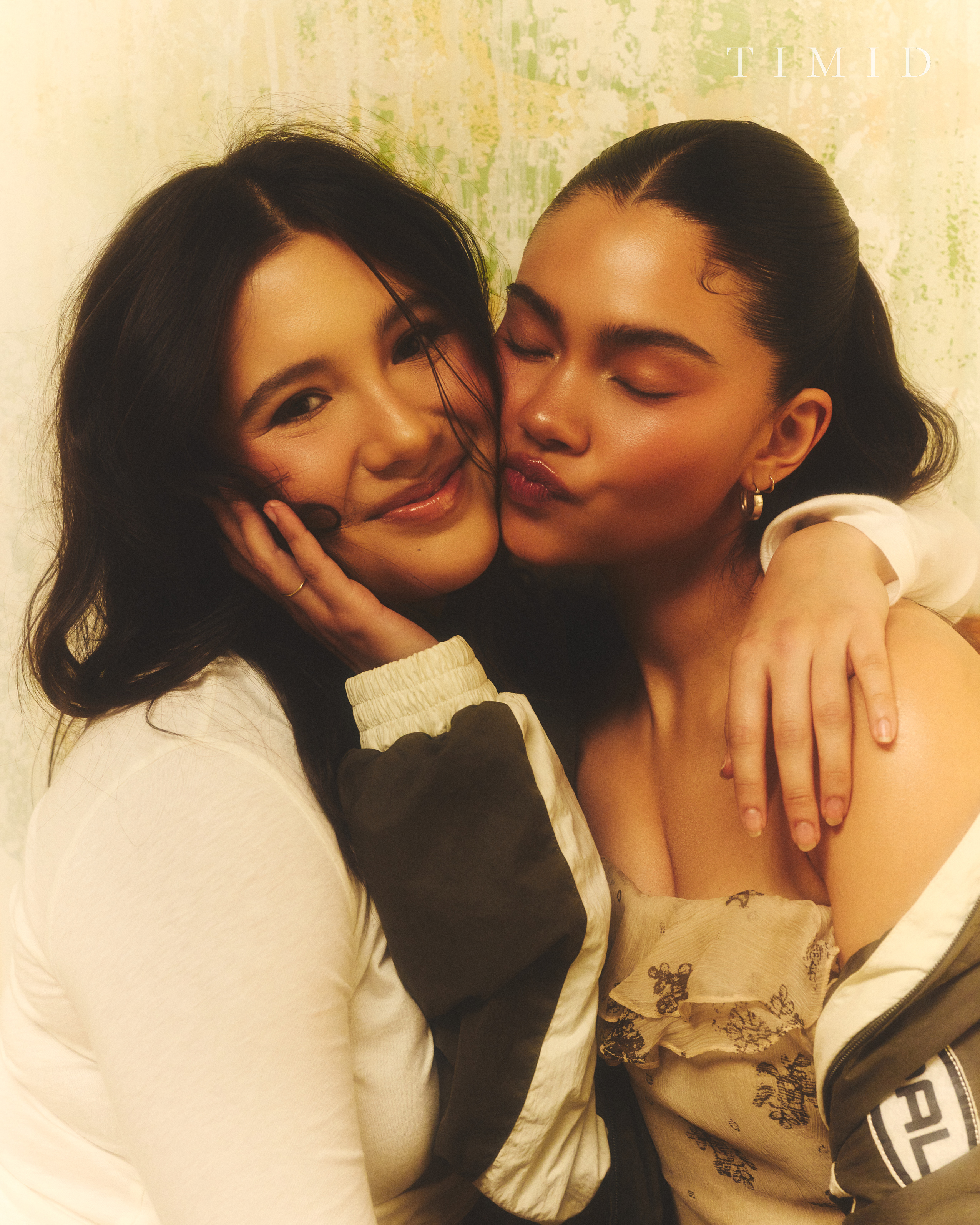
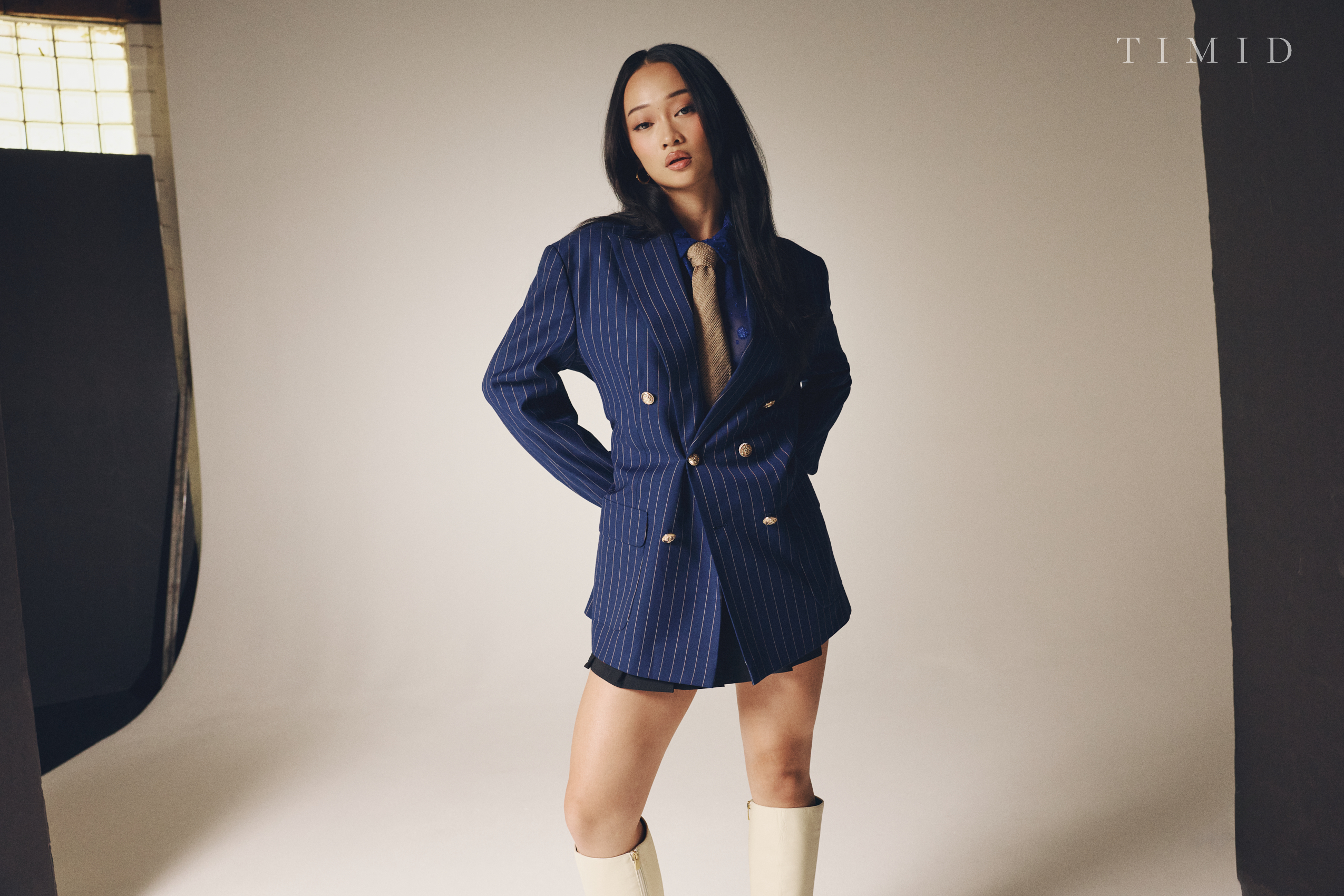
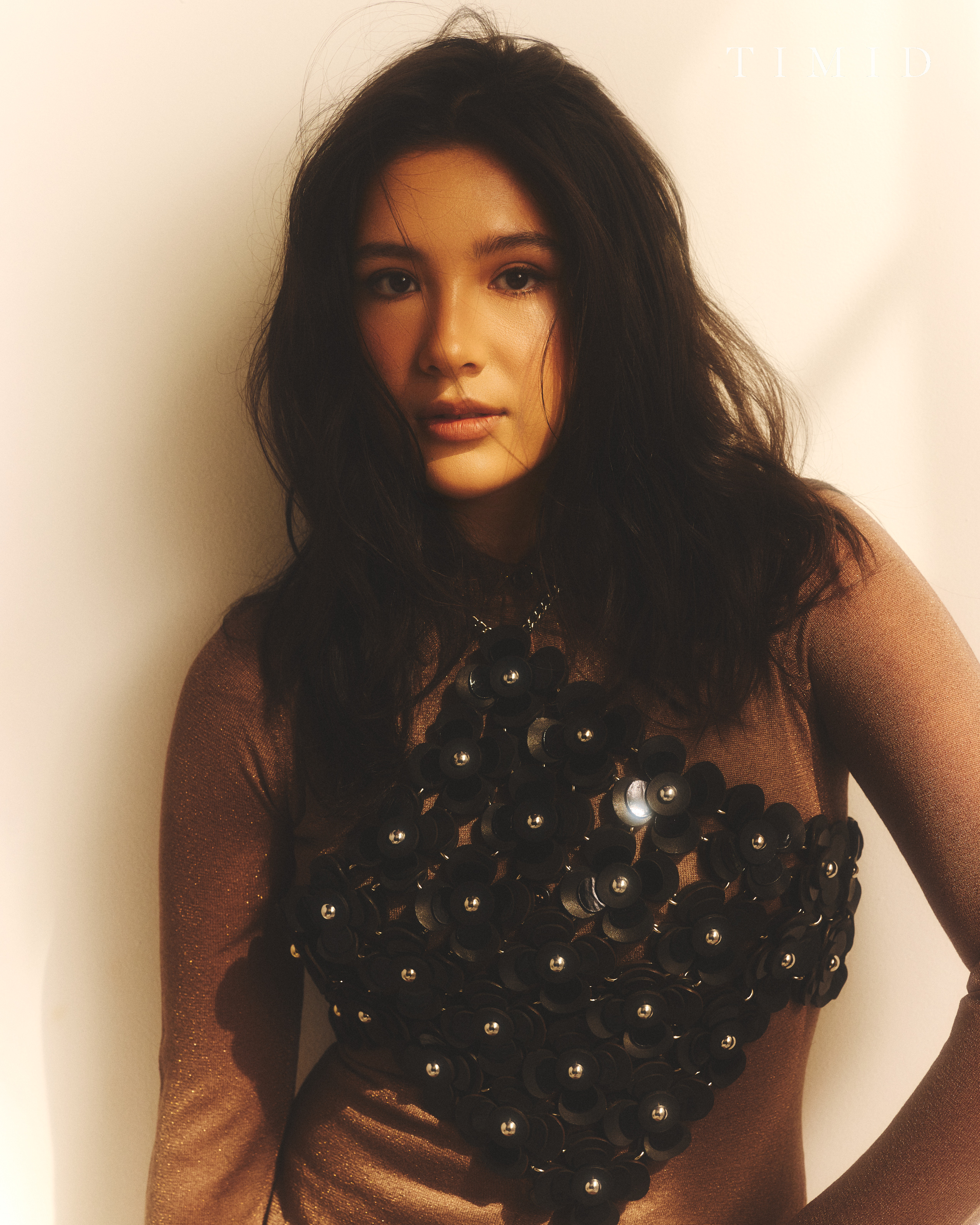
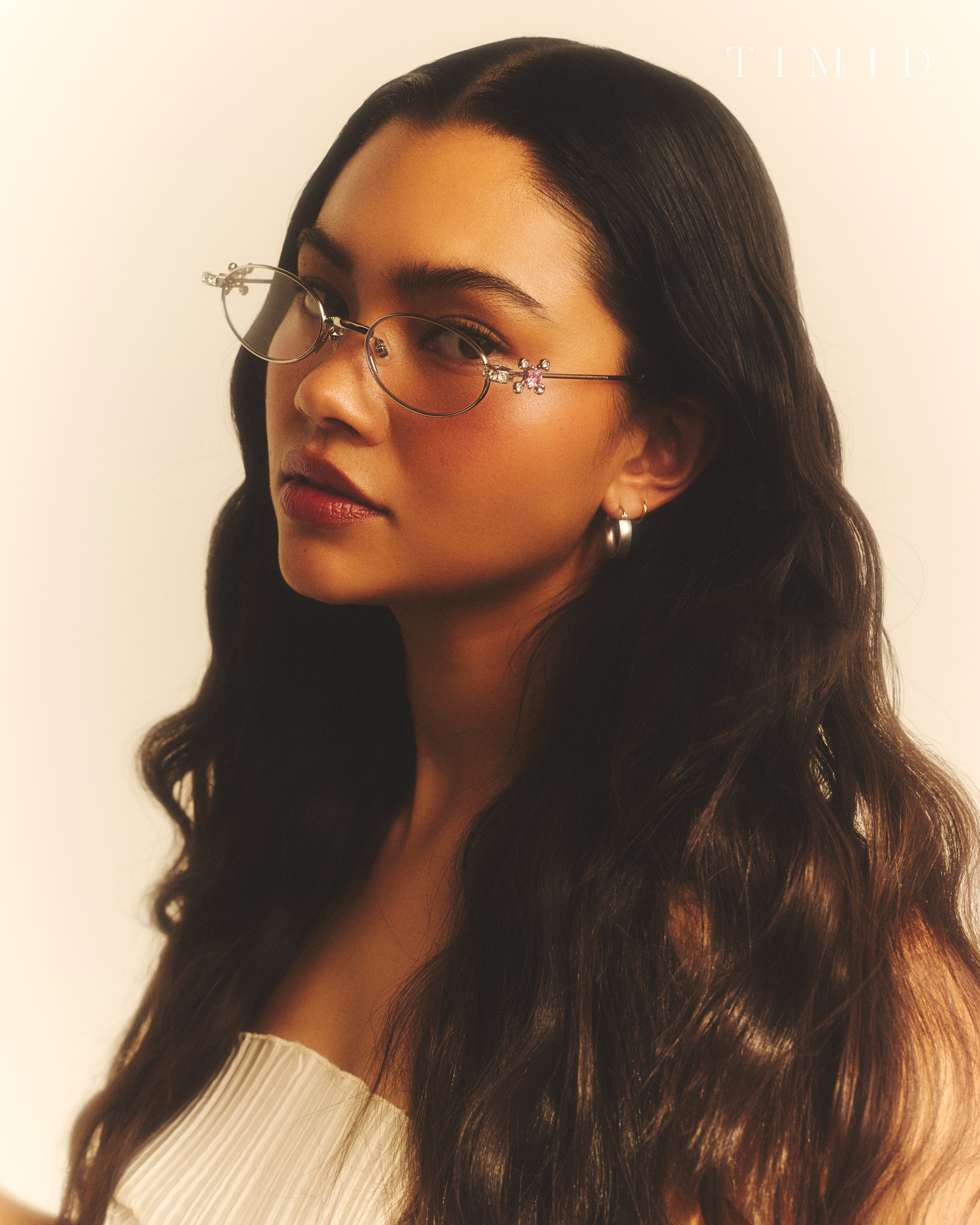
Talents: Hayley Kiyoko @hayleykiyoko, Maya Da Costa @maya_da_costa_, Myra Molloy @myramolloy
Fashion: Lisa Hoang @lisanhoang
Makeup: Marla Vazquez @marlavazquez (Hayley), Archangela Chelsea @archangelachelsea (Maya), Dominique Della Maggiore @domdella (Myra)
Hair: Oskar Pera @oskarperahair (Hayley), Kelsey Morgan @kelseymorganhair (Maya), George Cozma @georgecozmahair (Myra)
Video & EIC: Henry Wu @hello.henry
Hayley Kiyoko’s feature directorial debut, Girls Like Girls, felt like a long time coming.
It has been over 10 years since the release of Kiyoko’s 2015 hit single, “Girls Like Girls,” which marked her public coming-out. The song, which centers on falling in love with another woman, immediately became a queer anthem that defined that decade. Its following music video, which depicts two girls slowly falling in love, currently has 163 million views. It became a cultural milestone, giving Kiyoko the nickname “Lesbian Jesus” and the basis for her 2023 best-selling novel and 2026 film of the same title.
In the coming-of-age film, Coley (played by newcomer Maya da Costa) is a 17-year-old girl who moves into a small town in Oregon in 2006 after the death of her mother. She quickly becomes friends with the town’s popular girl, Sonya (Myra Molloy). They both find themselves attracted to each other, which Sonya must come to terms with, especially since she has a boyfriend (Levon Hawke).
The story is very close to Kiyoko’s heart, as it's loosely based on her own life and on the lives of countless others in similar situations. Since the release of the song, music video, and novel, she’s been told how much they resonated with her song and story.
“It is my intention to make people like myself and others feel seen by this film,” Kiyoko says over Zoom from her Los Angeles home. “I’ve watched this film so many times. As a director, you see so many versions of the film and what it could be, and then you know where it ends up.”
The 35-year-old artist has been working on the film adaptation for the past 10 years and has faced multiple obstacles in securing the green light and beginning filming. Production officially began in the summer of 2024 and underwent numerous final edits before completing early this year.
“I watched the final-final version,” she says with a laugh. “There have been so many finals. It’s finished now. I think it’s just the closest feeling I can think of, which is that it feels like home. Being a director and finally getting the opportunity to direct and share parts of my story and experience, it feels like I can breathe. It’s like returning home after all being on these journeys to heal our younger selves, whether we realize that or not.”
There were moments when she felt she wouldn’t make it, but watching the final product gave her an overwhelming sense of purpose in life. She relays, “There’s so much that goes into creating a film and having it exist. There’s definitely some content and familiarity to watching the film and being like, ‘Wow. I actually was able to capture something that I experienced, and hopefully, so many other people will resonate with as well.”
Girls Like Girls is an important story to tell, but it requires strong performances from the two lead actresses. After reviewing over 4,000 audition tapes for the roles, Kiyoko found her leads to play Coley and Sonya: Maya da Costa and Myra Molloy, respectively.
Both of their names are very similar, which Kiyoko laughs at, calling it a challenge on the set when calling their names. She adds that the actress playing Sonya’s mother was named Maya Ford, “So I had two Mayas and a Myra. It was wild. Communication really needed to be on point.”
Molloy and da Costa laugh at how similar their names are and how confusing it was on set. Molloy also points out that her character was named Sonya, and the Director of Photography was also named Sonja [Tsypin].
“You’re either calling me ‘Maya’ because you mispronounced ‘Myra,’ or you’re calling my character’s name, Sonya,” Molloy chuckles. “There was a lot of confusion.”
Da Costa adds, “We were just on our toes all the time.”
Da Costa was actually the first audition tape that Kiyoko ever watched, and it left a huge impression on her. She knew instantly da Costa was her Coley. Kiyoko recalls, “She’s gonna be the one on this journey. It was so special because she was the first person I watched. It was just emotional because I grew up acting, and my dream was to play a role similar to this. It meant the world to me to find someone who had a similar authentic experience and give them an opportunity that so many of us dream of.”
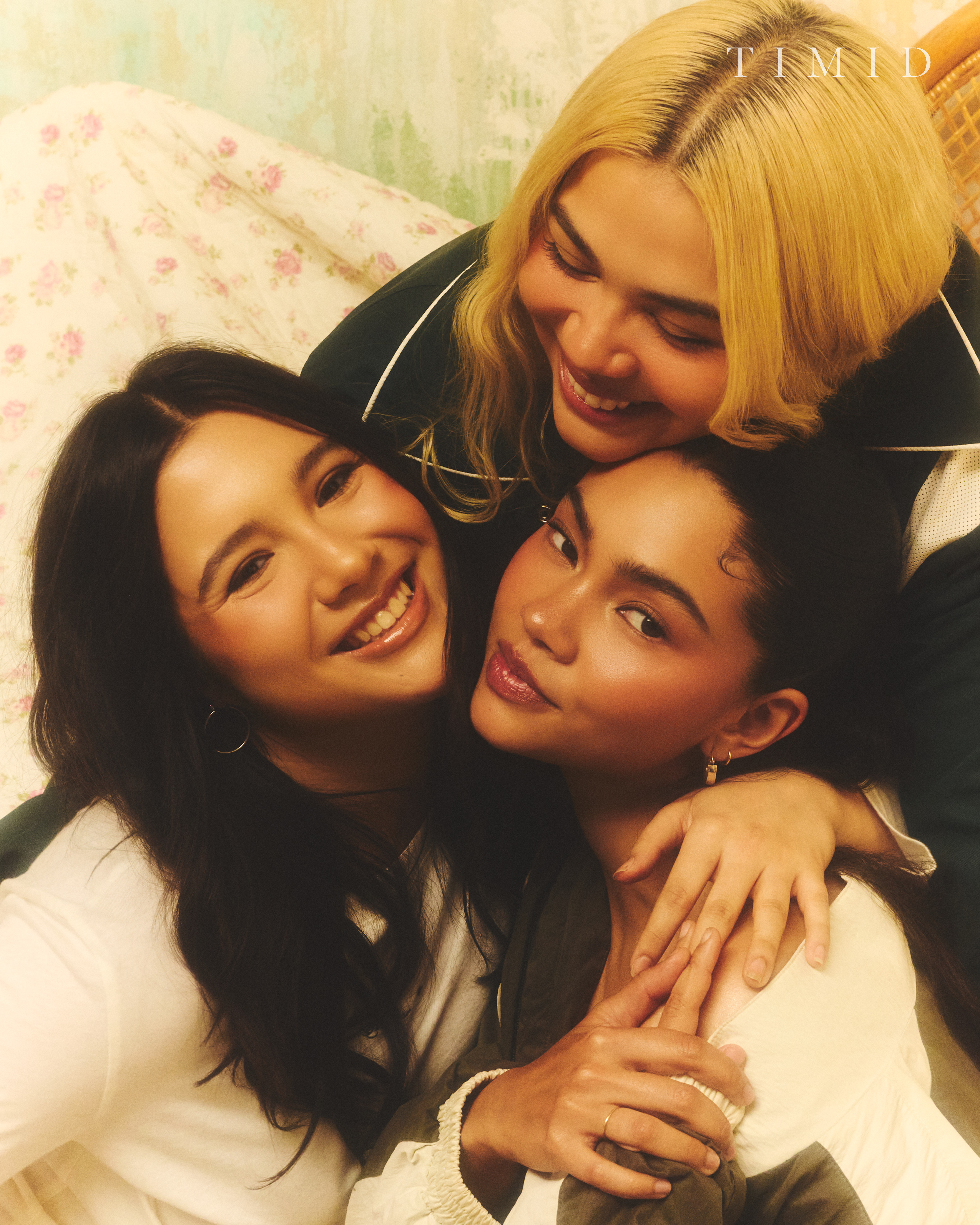
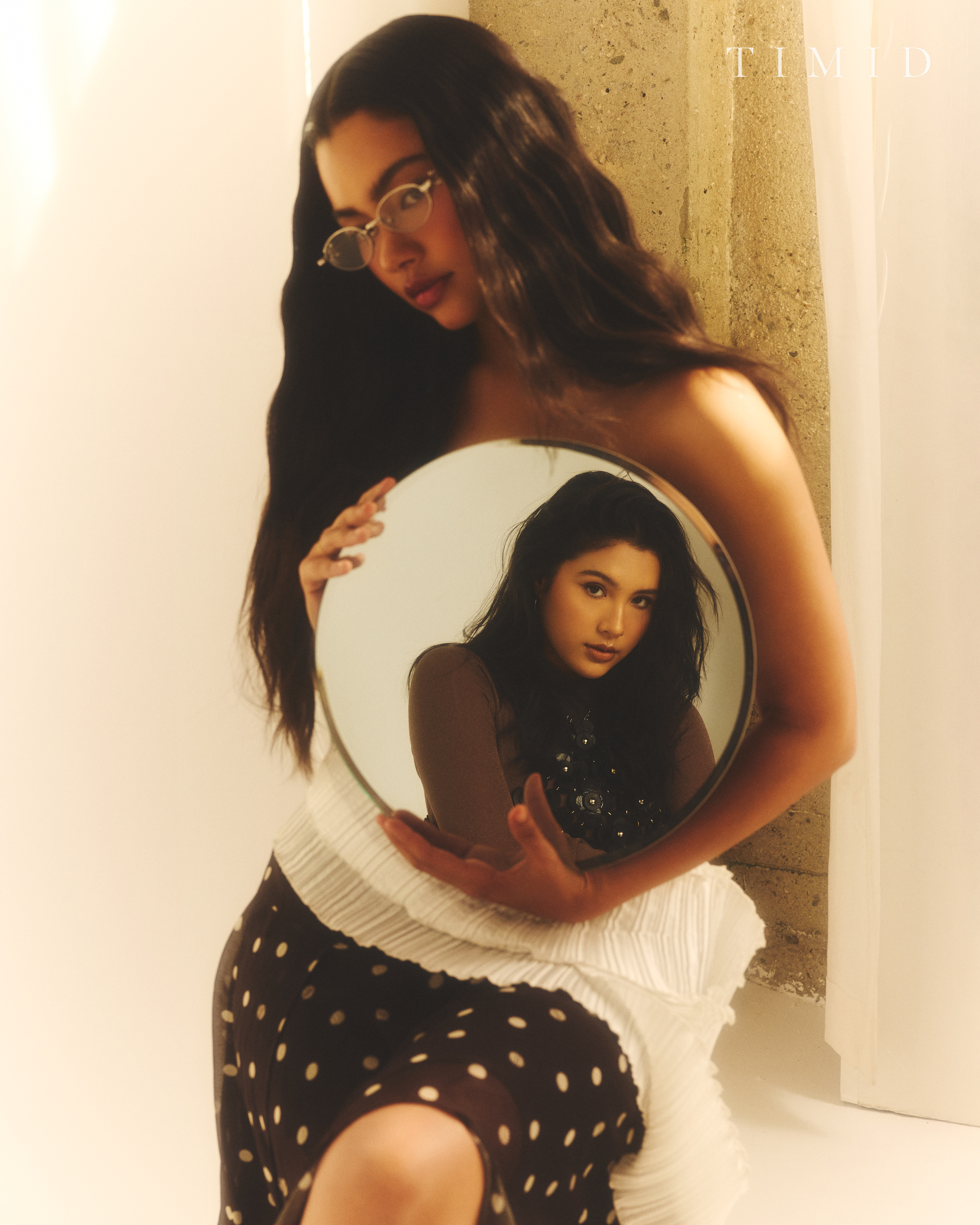
For the 21-year-old Portuguese-Vietnamese Canadian actress, Girls Like Girls is her feature-film debut, and she is grateful that it reflects her own life as a queer mixed-Asian young adult. She gets to give the character that visibility.
“When I was younger, I had no idea what I even looked like because I didn’t really look in the mirror ever,” da Costa states. “I would just watch TV and films, and I never saw anyone that was Asian, let alone mixed, and let alone queer. I didn’t see it in any media. It was foreign in my brain. I couldn’t comprehend it. Being able to do this with a studio like Focus Features means the world to me. I am grateful because this has been a huge dream of mine. I’m just happy it’s happening.”
Da Costa really connected with Coley’s story, which was essentially Kiyoko’s story. She really wanted to capture what it meant to grow up, have your first love, and figure out who you are.
Da Costa shares, “Since that part of Coley is so hard to figure out, you can feel so isolated in your own home space. When she does meet someone who feels like a first love, it becomes all-consuming. I want to say magical, but that sounds so cheesy. It’s true, but it’s cheesy. First love is cheesy. But Coley is so real. It’s not always going to be these magical, beautiful, and romantic moments of kissing in the rain. There’s so much awkwardness and realness.”
It’s not hard to fall in love with Sonya, played by the stunning Molloy. She blushes when she is complimented, and laughs, “Oh, stop.”
Kiyoko herself vividly recalls Molloy’s audition tape for Coley, noting her jean jacket and the way her hair moved as she turned to speak. There was this charisma and magnetism to Molloy, not to mention her beauty, that made it believable that she could be everyone’s crush.
“She’s not Coley,” Kiyoko confirms. “She is Sonya.”
Molloy, who is of mixed Thai descent, has been involved in the entertainment industry in both Thailand and Hollywood. The 28-year-old actress began her career at 13, winning Thailand’s Got Talent, and has starred in the Broadway productions of Miss Saigon and Hadestown. She was also the singing voice of Moana in the Thai-dubbed versions of Moana and Moana 2.
Molloy has played so many wonderful roles, but being part of a coming-of-age and romantic story was a dream come true. She felt connected to the character as the eldest daughter, figuring out what love is, and growing up in the mid-to-late 2000s. She relays, “I have a lot of similar experiences with Sonya. As an older sibling. I have a parent who is very invested in my life and my career the way Sonya’s mom was. She was very invested in her dance career. It speaks to the Asian experience of being your parents’ pride and joy and never wanting to let them down. You never want to ‘lose face’ and all these things that we understand. It really was tapping back into that feeling of the weight of pressure, especially as a young person trying not to disgrace your family and trying to figure yourself out at the same time.”
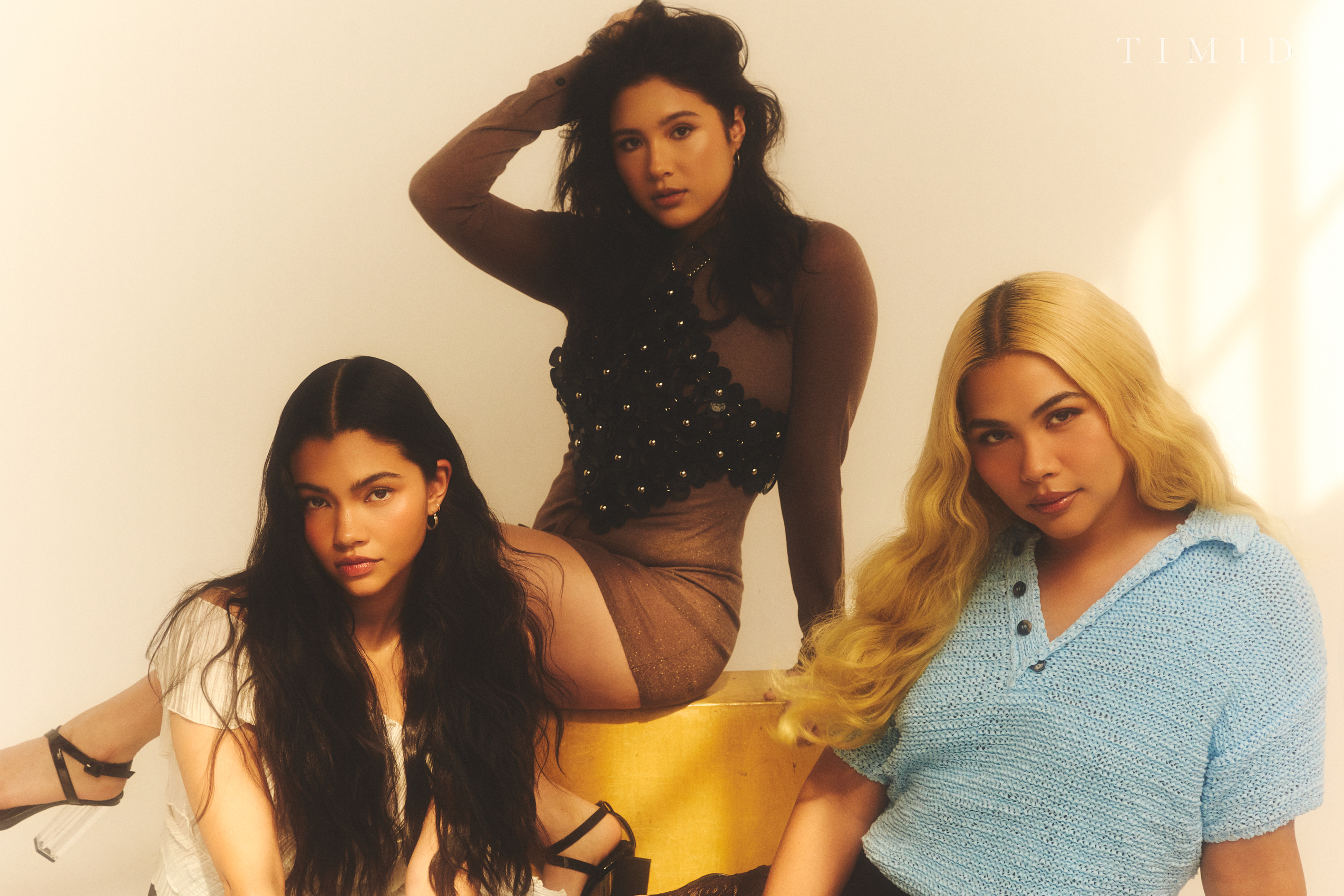
She also remembered growing up in 2006, at just 9 years old, using MSN Messenger to chat with her friends, waiting for her crush to sign on. She laughs as she recalls her little sister wanting to sign on, but Molloy refused because she was waiting for her crush to come on.
“I love that the story is set during that time because it was very nostalgic,” she reflects. “So many people can relate to that. I’m just lucky that I was able to pull from my own life, too.”
Sonya was a very challenging character for Kiyoko to write because she had to be likable even as she did some very unlikeable things. Kiyoko states, “Myra balanced that beautifully. She was just incredible in the film. Both of them truly worked so well together. They had amazing chemistry, and it was just so special.”
Even during the interview, Molloy and da Costa would dote on each other as they recalled working on the film. It became apparent that there was mutual respect between them and that they were dedicated to telling Coley and Sonya’s love story right. They bonded throughout filming, which helped them connect their characters.
With this being da Costa’s feature film debut, she relied heavily on her co-star, calling Molloy her “safe place,” asking her questions, and appreciating her advice. She comments, “I love Myra. I couldn’t imagine doing this with anyone else.”
Molloy credits Kiyoko for bringing her and da Costa together in these roles, because da Costa is easy to be around and the type of person who is easy to fall in love with. She also says she and da Costa share the fact that they are of mixed Asian descent.
“There's just some experiences that we share and understand,” Molloy reveals. “We just inherently understand one another. That was so special. Even from the chemistry reads, there was always a familiarity there. Of course, we explored that when we were having the best summer of our lives and getting to know each other.”
Kiyoko feels so fulfilled when she reflects on her own journey in the entertainment industry and how much the story of Coley and Sonya has changed since the music video. She really got to sit in the space with Coley and witness her navigate her romantic feelings for another girl and her relationship with her estranged father (Zach Braff). Kiyoko was really creating a story that her younger, closeted self really needed.
“My experience was very silent,” says Kiyoko, who knew she was gay when she was six, but couldn’t tell anyone. “I didn’t get to share my experiences with other people. It was something very internal. It was so special to challenge myself to translate that into the film. In the book, you’re hearing every thought and feeling, but in the movie, you’re just watching her and you have to communicate how she’s feeling.”
Though Da Costa and Molloy knew how important this story was for Kiyoko and the queer community, they never felt any pressure throughout filming. They credit Kiyoko for being the “blueprint” and for guiding them through the process, especially for the newcomer da Costa.
“Hayley was the director and always so present there,” says da Costa. “If I were doing a scene that wasn’t the way that it happened, she would let me know. That was the most valuable thing that one could have—the reference right there as you work, just to create the most realistic thing possible.”
Molloy adds, “She paved the way fighting for visibility—not just for women of color, but for the queer community. Her story is so important because we all have experienced this in some way, shape, or form. It has been a 10+ year process for Hayley, and she is so intentional and specific, all stemming from a place of love. You can really feel it in the film.”
Those passionate feelings are felt throughout the film, as there are so many tender moments between Coley and Sonya that feel like butterflies suddenly fluttering in your stomach. Whether it's their skin brushing gently as they sit next to each other or their eyes meeting, there were fuzzy feelings brewing.
For Kiyoko, it was a scene in which Coley watches Sonya dancing in her bedroom. Sonya is seen through Coley’s gaze, and the audience understands why Coley feels the way she does about her crush. Kiyoko explains, “I remember watching the monitor on-set and going, ‘Oh my gosh. We did it.’ It's very emotional, because these two beautiful actresses are going to make so many young people and this generation feel seen. It's very rare for us to see ourselves represented on the big screen, let alone in a queer love story. [It made me feel] so honored to help people feel loved and feel beautiful and to feel acknowledged in Hollywood and in society.”
Molloy and da Costa recollect the scene clearly, noting the beauty in its depiction of falling in love. The characters barely touch, but it's in the subtleties like the brief eye contact, focusing on the lips, and their lingering looks. It’s all in the details.
“Hayley captured that so beautifully, which is a universal experience,” says Molloy. “No matter what age you are or where you are. When you’re falling in love, you really notice everything about that person.”
Though da Costa did grasp that emotion well, she feels the next scene really connected those romantic feelings even more. It’s right after, as Coley is riding her bike back home, feeling free and content. She explains, “Coley is seen riding her bike in nature in this new town a lot of the film. That’s how she finds a connection to herself and to loving life. As Maya, when I’ve experienced love, I love someone the same way that I find love for a lot of nature in the world. I admire it and notice every little detail. I tried to just emulate that feeling onto Sonya in that scene. It worked pretty well, and was what felt real to me.”
The two begin to laugh over the filming of the dance scene. Molloy points out that she is not a professional dancer, whereas da Costa is. She felt pressure to perform well, especially in a tiny, hot, and crowded room.
“I felt the pressure,” Molloy remarks. “On top of that, I am playing a professional dancer who is flirting with this girl in my room. Personally, it was so dreamy and so fun. I love Maya. Thank goodness we have such a wonderful relationship. It looks as if it’s just the two of us, but there were a million people cramped in that tiny room. We were sweating, but the film is so dreamy. You could never tell we were dying.”
With the film coming out during Pride Month, the trio is excited for audiences to experience this relatable story of growing up and into one’s own, hoping it will leave a lasting impression on others and the community.
“I hope it brings out freedom to talk, enjoy, and go out to have similar experiences,” da Costa exclaims. “The thing that closes people off is judgment. Judgment can happen inside a community as well. It just happens when people are judging themselves as much as they’re judging others. I hope this film touches on so many bases of self-acceptance and can open people up to conversations and different ways of thinking.”
Molloy agrees, saying, “The power of this story and filmmaking reflects the world we live in. Even the fact that we’re both mixed-race women, which is something that’s not really seen in Hollywood [as leads], but now it has happened. We get to tell this story. It’s important we get to see ourselves, and that everyone else in the community gets to see themselves too.”
Molloy reflects on the impact Kiyoko’s 2015 music video had when it first came out and sees the film as a continuation and expansion of that movement. She shares, “The ‘Girls Like Girls’ music video came at a time when things weren’t accessible and were so insulated. I hope this reaches not just the audience that was there for the original movement in the zeitgeist, but welcomes a whole new audience for people of all ages and walks of life to see this movie and have a moment to feel seen and have these conversations that seep into our actual lives.”
Kiyoko has seen the ups and downs that have affected the LGBTQ+ community, especially the period between the release of her music video and now, with the release of her film. When she first came out, she felt terrified to do so as it was right before same-sex marriage was legalized, and there was a sense of uncertainty. As time went on, she felt more comfortable and, at times, free, until recently.
“The LGBTQ+ community is continuously trying to feel safe and be equal in this world because we deserve to be,” she states. “I’m releasing a film called Girls Like Girls in theaters in this political climate with the supportive Focus Features. So, it’s weirdly different and also the same [from 2015 and now], where we are continuously trying to be heard, seen, acknowledged, and be validated for our experiences, traumas, and adversities.”
Though Kiyoko is glad and proud that the film will be released soon, she wants it to be the positive impact the community needs, despite the politics. She thinks about her six-year-old self, who didn’t know how to navigate her feelings and needed to know she wasn’t alone.
“I hope this film reaches people who have felt alone or not represented, and makes people feel loved and acknowledged,” Kiyoko emphasizes. “I hope the film creates conversations like, 'Why has it taken 10 years for a story called Girls Like Girls to get made? I hope this film will open more doors for more creatives to tell their stories and know that their stories are important. They’re not niche. They are mainstream, and they deserve to be told.”
-
Girls Like Girls releases in theatre on June 19.