-
Talents: Li Jun Li @lijunli
Words: Michael Lee @iammichaeljlee
Photos: Daniel Nguyen @dnguyenphotography
Fashion: Jessica Paster @highheelprncess
Makeup: Vittorio Masecchia @vittoriomasecchia
Hair: Kat Thompson @kattthompson
Photo Assist: Jonathan Yacoub @jonathanyacoub
Video: Henry Wu @hello.henry
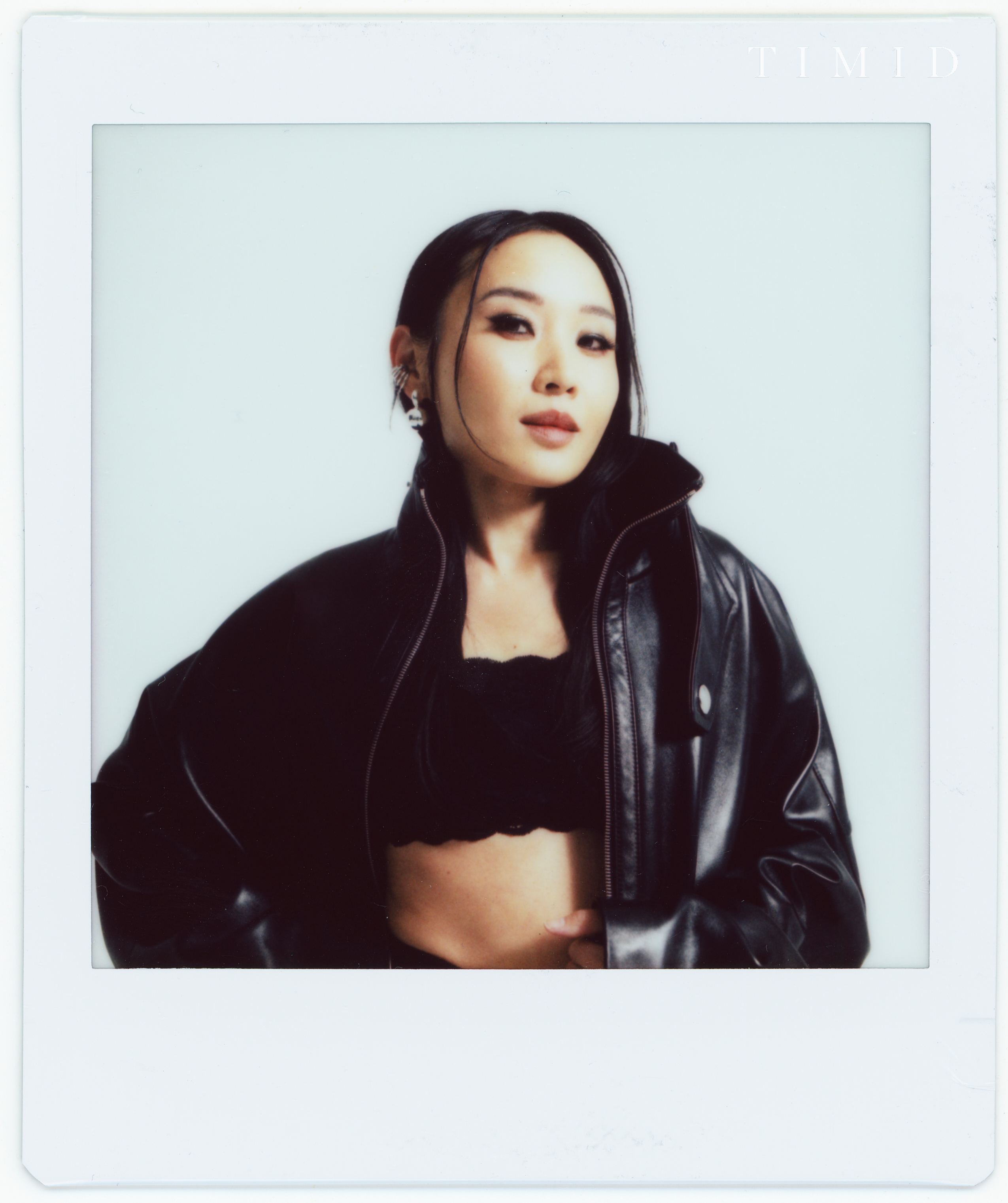
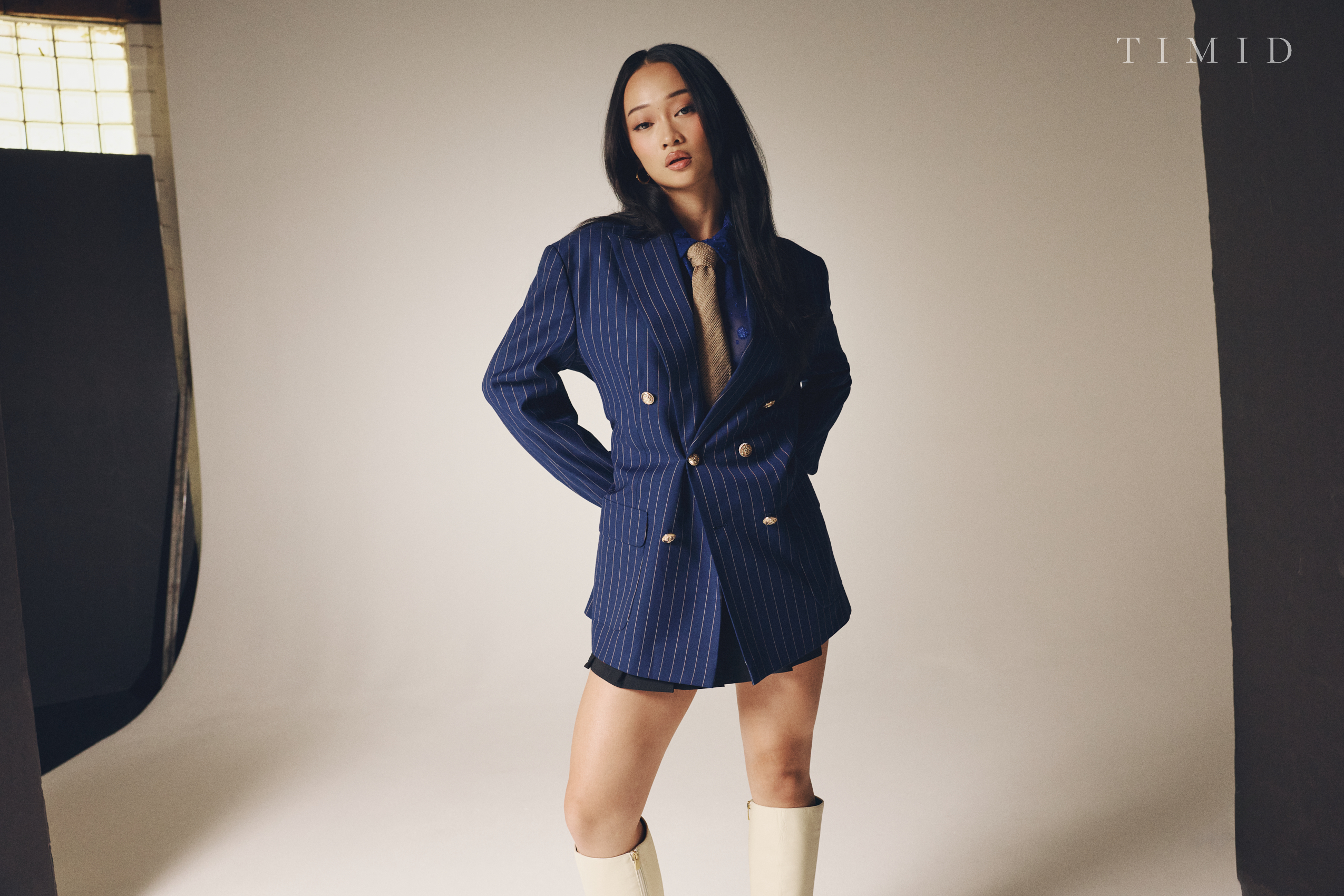
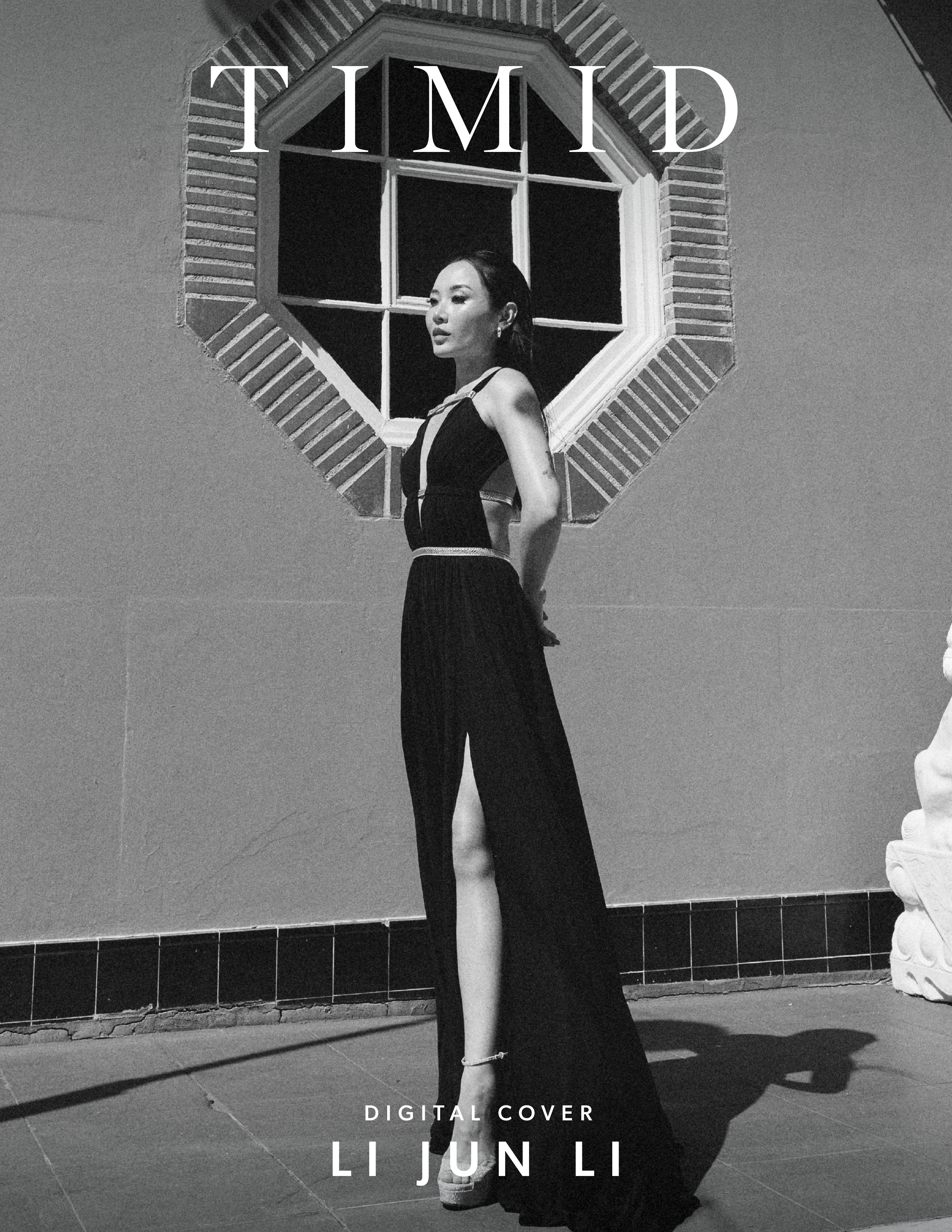
Li Jun Li is an actor who refuses to be pigeonholed. From recurring television roles in Damages and Wu Assassins to film performances in Babylon and Sinners, she has made a point of keeping her résumé varied and her craft versatile.
That versatility now brings her to Spider-Noir, where she plays Cat Hardy, a reinvented femme fatale who carries the glamour of classic noir while pushing against the limits of the archetype. This latest role is another testament to Li’s commitment to range and reinvention.
Set in Depression-era New York, Spider-Noir follows Ben Reilly (Nicolas Cage), a jaded private investigator who has left his days as The Spider behind after a personal tragedy. When the beautiful and captivating Cat Hardy steps into his life, Ben is pulled back into a conspiracy that drags him through the city’s criminal underworld, ruled by Silvermane (Brendan Gleeson). Meanwhile, Cat is searching for her own way out, driven by her devotion to Flint Marko (Jack Huston), aka Sandman, who has gone missing.
Stepping into the role meant starting from scratch. The unfamiliarity brought Li a sense of relief that was both scary and liberating. “Please don’t be mad at me, but I’m not very familiar with any other versions of Cat Hardy, which I think is a good thing for me,” she says. “As an actor, I want to do research just enough so that I don’t find myself trying to replicate anyone’s performance or imitate anyone.”
Unlike the comic book version, Cat Hardy has no superpowers like luck manipulation. Instead, she is uniquely grounded, embodying a classic femme fatale while redefining it through complexity and realism. Li blended inspirations such as Rita Hayworth, Ida Lupino, Kim Basinger, and Lauren Bacall, along with research on Anna May Wong and Vivian Leigh, plus Felicia Hardy’s background, to invent a wholly distinct Cat Hardy.
For Li, the key to Cat was not leaning into the danger of the femme fatale, but finding the humanity beneath it. “Because she is a femme fatale, which is an archetype, she is the type of woman who leads her men to ruin,” Li says. “I wanted to root her motivations and her background in something that is psychologically true and grounded, and something that we can all empathize with. She is ultimately not born into being a malicious person, but she is dealt very difficult cards in this story. That leads her to potentially do things that hurt other people, while she's saving the ones that she cares about.”
Those struggles are also reflected in the roles she’s played before. “I think that is something that we all struggle with, because as humans we're, we're all just really good people caught in bad situations, and same thing with other roles, such as Grace Chow [Sinners],” Li explained. “I mean, obviously we know how controversial her actions were, but if you really think about where she comes from and her given circumstances were not that positive, their choices were pretty bleak, and she had to do what needed to be done.”
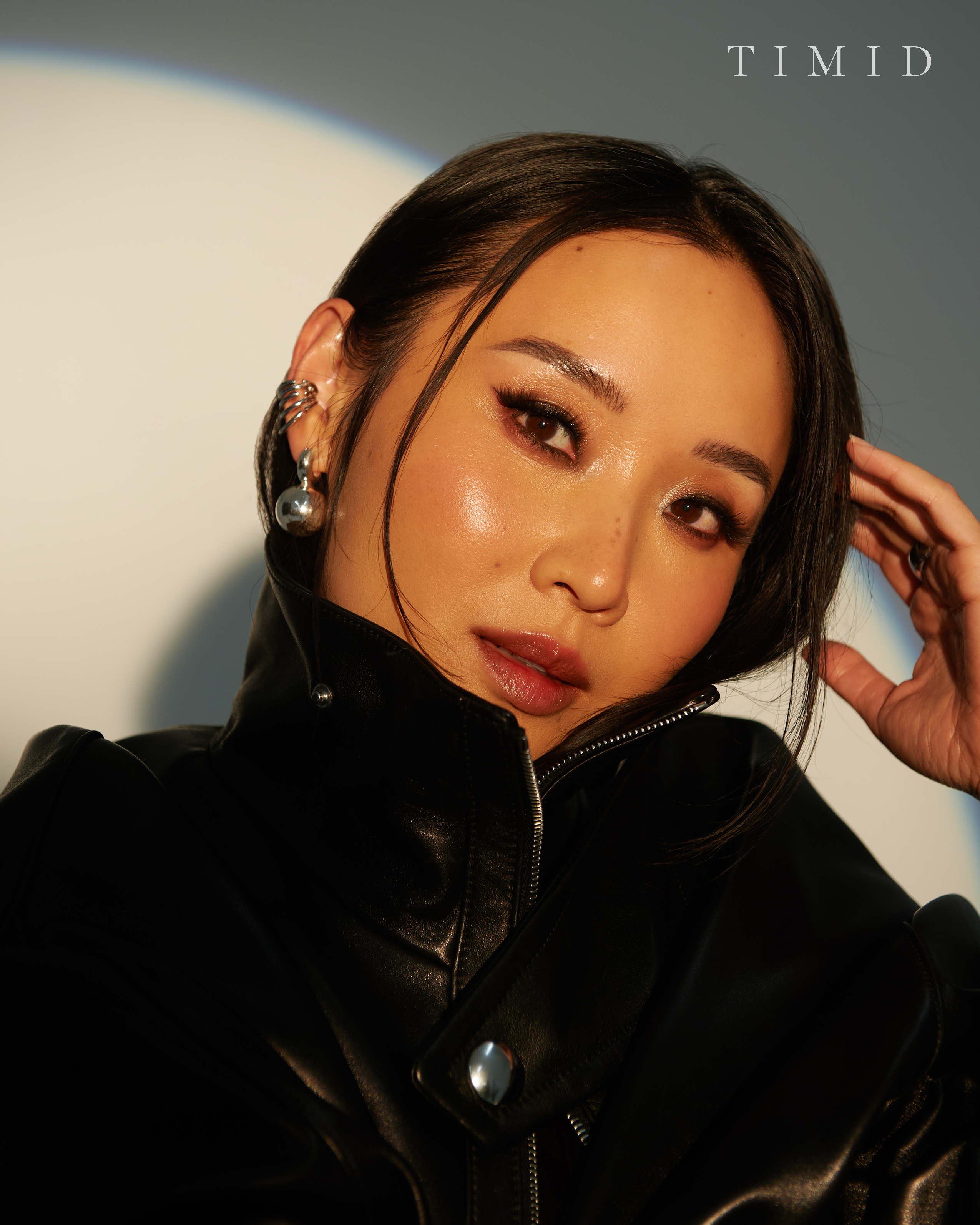
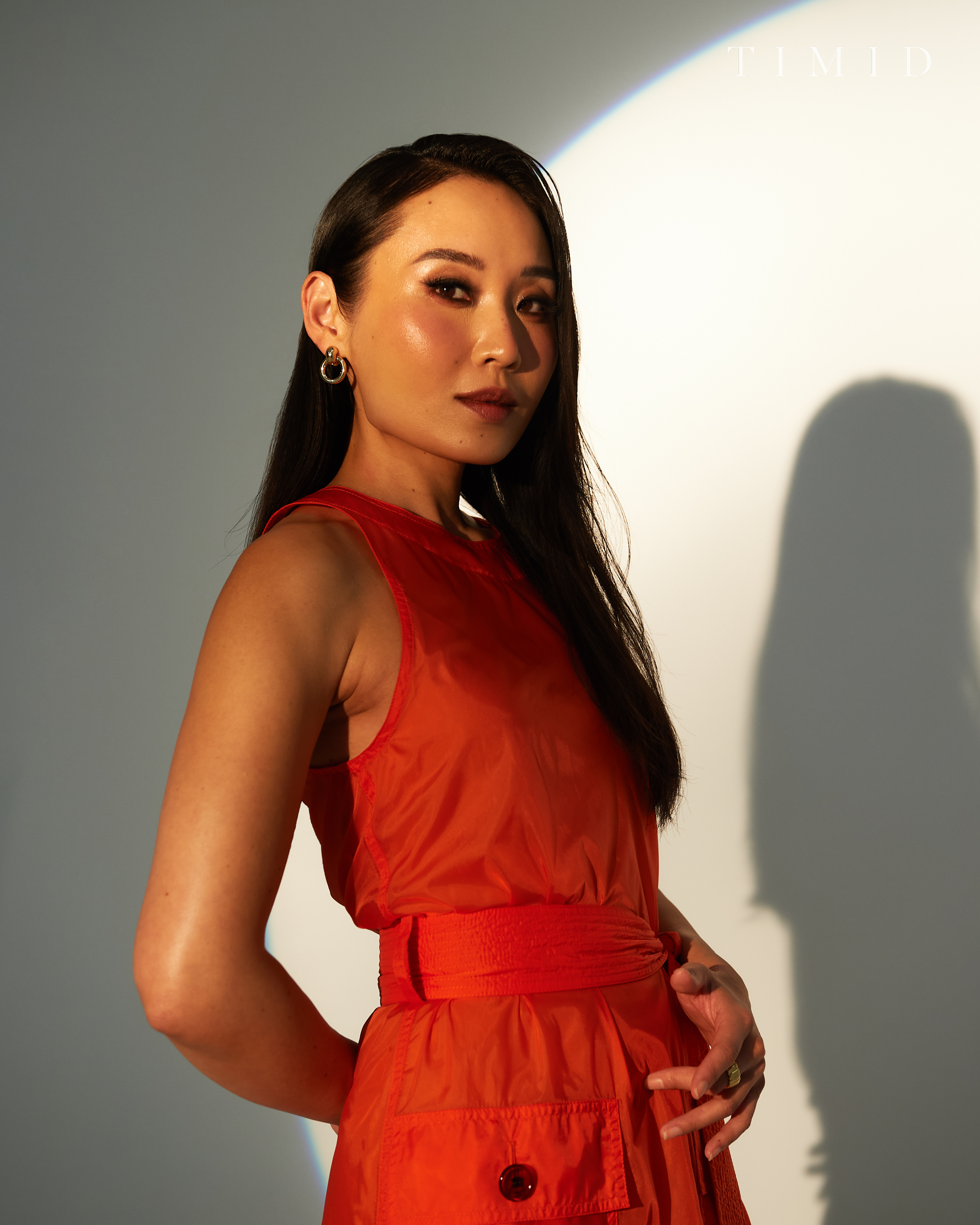
Li sees a similar dynamic in Lady Fay Zhu, the fictional performer in Babylon whose story was inspired in part by pioneering actress Anna May Wong. “With Lady Fay Zhu, she was in the 1920s and was the first Asian American Hollywood actress, always deprived of roles because of the sheer racism that she had to face. What choices did she really have?” Li says. “We all learned to navigate and adapt to our circumstances.”
While films like Babylon and Sinners placed Asian visibility within the framework of historical struggle, Spider-Noir offers something different for both Li and her character. Here, Cat Hardy’s presence is not defined by hardship but by her place within genre and archetype. It is a chance for representation to thrive in both style and substance. “I'm sure people are questioning why Felicia Hardy is Asian, you know, and sure I understand if it's a biographical story, it needs to be historically accurate or ethnically accurate, but I think we've done a really good job,” Li said. “I think it's just a beautiful fictional story that everyone can enjoy, everyone can relate to at some one at some level or another, and I think that's what is the most important.”
Li acknowledges that it’s a sign of progress to see how these stories are told. “There’s a time and place for stories that do tell our struggles and our obstacles over the years,” she reflects. “I think we have done a really good job, specifically with how the Asian community has grown in the industry.”
Inclusivity is just as important as representation, and this balance comes through in Spider-Noir. In the show, Cat Hardy’s identity matters, but it does not have to be justified by the story. And that’s what excites Li about being in a Marvel project. “It was so special,” Li says. “That it's the most interesting combination of a Marvel story told in a film noir style, but then you have this diverse cast, and then you have this incredibly well-written femme fatale, and then I was given the opportunity to play her, no questions asked, no need to have made her race specific, because she was just another character, just another person in the story.”
This evolution is especially meaningful for Li. Being cast without her ethnicity needing explanation marks a significant shift from her early days in the industry. “It means a tremendous amount to me, because of the fact that when I first started in this business, there were barely any roles for Asian Americans, and we have obviously evolved,” she reflects. “You know it has improved drastically since, but for the longest time, there were still conversations about it, and this is the first time that there was not a conversation about why she was Asian.”
For Li, stepping into the glamorous world of smoky jazz clubs was so much fun.“Oh yeah, every day, every day,” she says with a grin on her face. “Cat Hardy, the fact that we got to do her number, that performance number, at the alcove, and this is why I encourage everyone to see it in both versions, black and white in color, because black and white, you really get to educate yourself with the cinematography, the challenges of the composition, the contrast, the color, the lighting.”
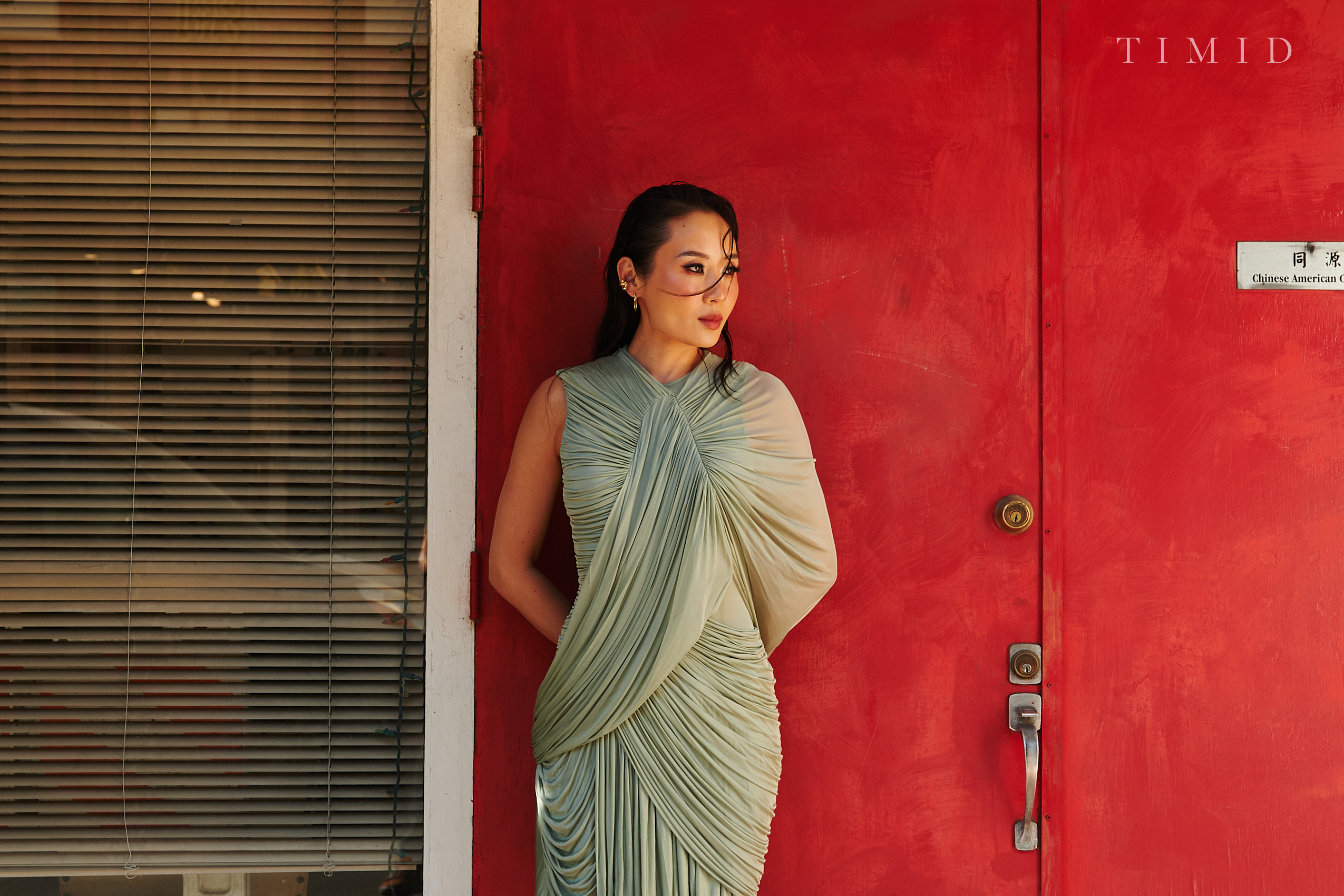
Li describes the experience of filming Spider-Noir as immersive. “When I walked on set, I just thought, my God, these colors are so vibrant,” she recalls. “Everything, the texture, just the world that they lived in was so glamorous. It was so much fun, and my favorite days were when the whole cast were together.”
“In episode seven, when all of us were together, it was just a blast to be magical,” Li adds, her excitement still evident.
The show’s dual visual approach played directly into the immersive experience on set. Because Spider-Noir exists in both black-and-white and color, the visual language shifts depending on how audiences watch. Li recalls how the process required every department to think in two visual registers at once, ensuring that everything from fabric to makeup could maintain its shape, texture, and meaning in both presentations.
“So here's the thing about the way we were filmed. It is very difficult to film for both black and white and color, because every single department head was given a camera and the formulas to view all of the fabrics, the makeup, the colors of the set or of our costumes, both in black-and-white and color,” Li notes. “For example, my red lipstick would look pitch black in black-and-white, so they have to find a shade that works and matches my wardrobe in color, and then toggle it into the black and white to make sure that that still works.”
Li went on to praise the costume and makeup teams, explaining the sweat and tears that went into making everything work. “The costumes were stunning. I don't think any one particular— though I can name a few—really stood out,” she says. “We couldn't stop talking about the green iridescent dress that she wears in episode three, the gold dress in episode one, the costume by Tracye Gigi Field, the makeup by Lana Horochowski and Teresa Rivers, who did my hair.”
Li adds that the costume and makeup, along with the music and set design, played a huge role in how quickly it clicked her into the role. “Everyone in the creative team is responsible for just how easy it is for us to get lost in this world.”
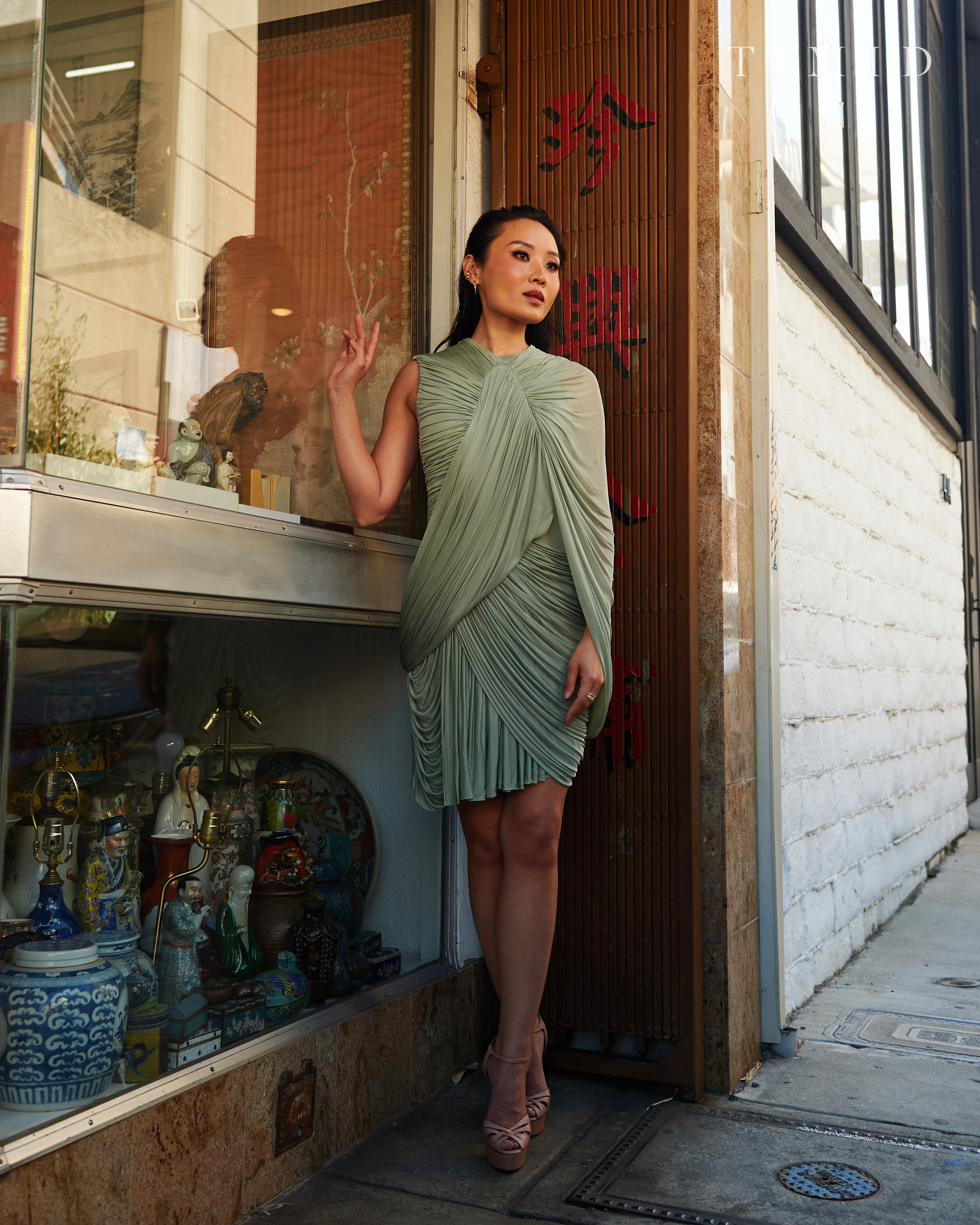
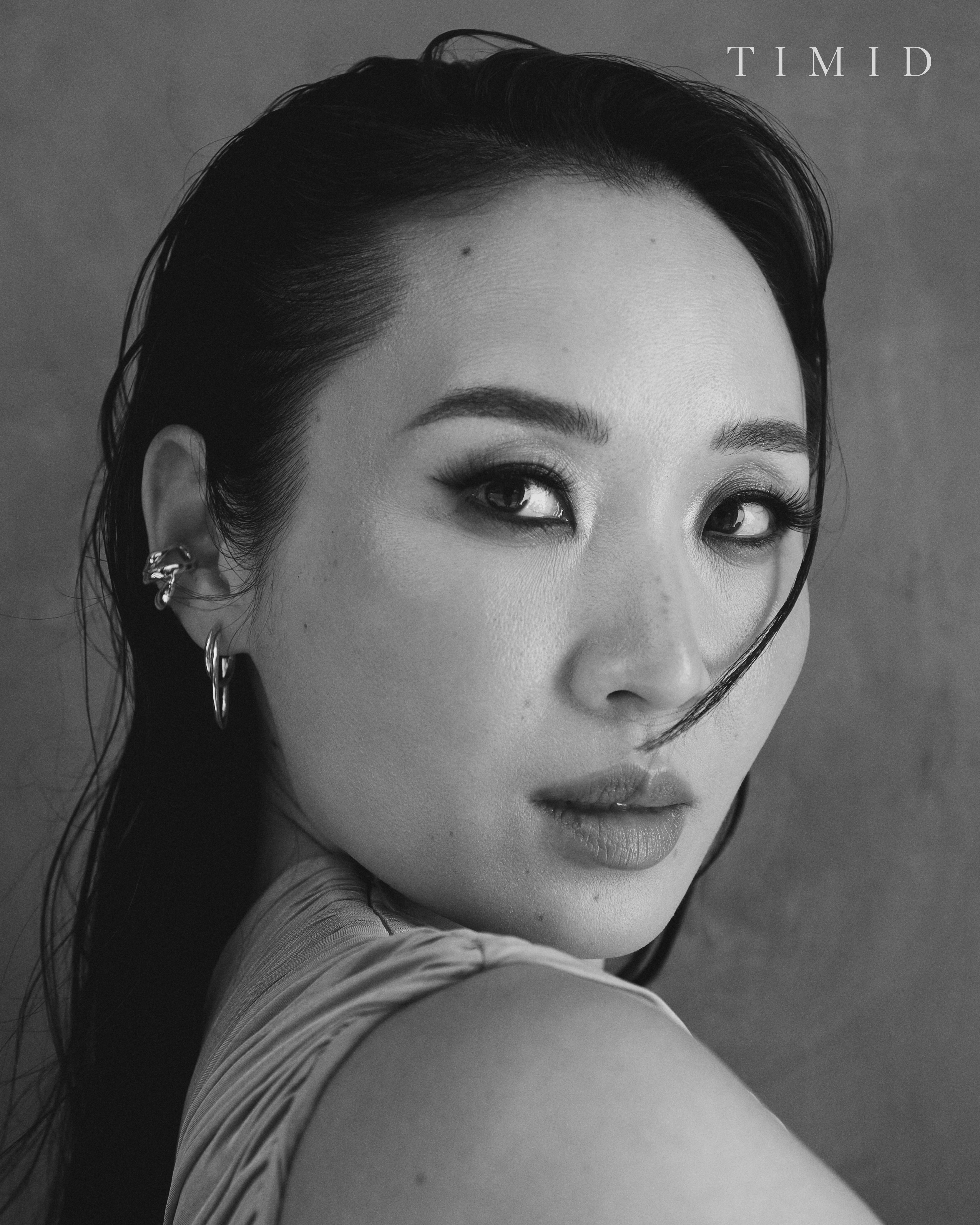
That visual complexity carries into the way Cat moves through the story. In true noir fashion, she always seems to know more than she is willing to reveal. “I love duplicitous roles,” Li says. “I’m not a duplicitous person in real life, but it’s a dream as an actress to play someone so layered and complex.” She continues, “But going back to humanizing the femme fatale, you know, she had so much going on. She was the only person in this entire storyline who has a lie against every single other character, and I always say this: she plays chess while everyone else is playing checkers.”
A game of such complexity needs a strong ensemble of players to be interesting. “It's a pretty stacked cast. I mean, it only ups your game, right?” says Li. “We had truly one of the best table reads that I think we all shared the experience when we heard the words off the page.”
According to Li, they “immediately knew that this was something special, and all of us brought our A game.” Of co-star Cage, Li says, “He's so hyper-focused and so prepared to a point where I really thought that I have become a better actor because of my work on this show.”
For Li, that does not mean dismissing roles rooted in cultural specificity. It means questioning when those stories are told lazily and pushing to find the best version of each character. “Life is too short for us not to enjoy experiences,” she says. “Don’t wait to have these experiences. Do what brings you joy.”
-
All episodes of Spider-Noir are on Prime Video.
.jpg)